
How Digital Product Passports Help Prevent Counterfeiting and Product Theft
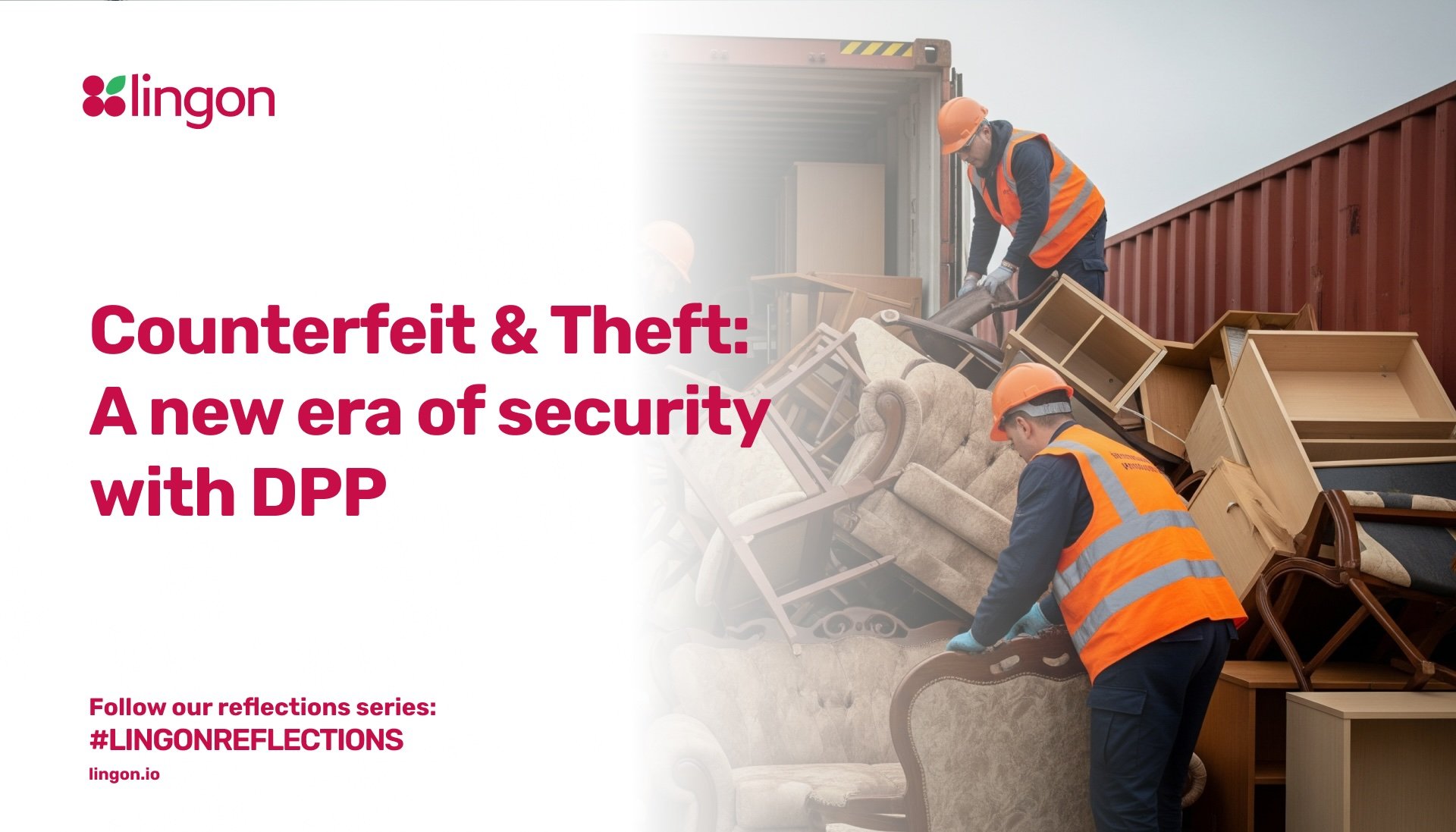
Counterfeiting and product theft are major challenges across global industries, causing billions in lost revenue each year and undermining consumer trust.
As counterfeiters become more sophisticated, companies increasingly need digital solutions that provide transparency and traceability across supply chains. Digital Product Passports (DPPs) are emerging as a powerful tool to authenticate products, protect brands and prevent counterfeit goods from entering legitimate markets.
What Is a Digital Product Passport?
A Digital Product Passport (DPP) is a structured digital record attached to a product that contains information about its materials, origin, manufacturing process and lifecycle history.
Using technologies such as:
QR codes
NFC tags
blockchain
Digital Product Passports enable real-time product authentication and traceability across supply chains.
This makes it significantly harder for counterfeit goods to enter legitimate markets.
How Digital Product Passports Prevent Counterfeiting
Digital Product Passports improve product security by creating transparent and verifiable product histories.
End-to-End Traceability
Every product registered with a Digital Product Passport has a traceable and tamper-resistant history.
Manufacturers, retailers and consumers can verify a product’s authenticity instantly, making it much harder for counterfeit products to enter legitimate markets.
Supply Chain Integrity
DPPs track products across the entire supply chain.
This ensures that products are sourced, transported and sold through verified and authorized channels.
Preventing Greenwashing and False Claims
Digital Product Passports allow regulators and stakeholders to verify sustainability claims.
This prevents counterfeiters from falsely labeling products as:
eco-friendly
sustainable
ethically sourced
Strengthening Consumer Confidence
Consumers can scan a product’s Digital Product Passport to verify its authenticity before purchasing.
This increases trust in brands and reduces demand for counterfeit goods.
According to Euractiv, counterfeit goods account for approximately 5% of imports into the EU, representing around €85 billion annually.
How Digital Product Passports Help Prevent Product Theft
In addition to preventing counterfeiting, Digital Product Passports can also reduce product theft and resale fraud.
Ownership Verification
Digital ownership records allow buyers and sellers to verify whether a product is legally owned.
This makes it difficult to resell stolen goods in legitimate markets.
Product Blacklisting
If a product is reported stolen, it can be flagged in the system.
This prevents resale through legitimate channels.
Smart Asset Recovery
Digital Product Passports can help law enforcement and insurance companies track stolen products and return them to their rightful owners.
The Industry Impact of Digital Product Passports
When implemented at scale, Digital Product Passports can significantly reduce counterfeiting and theft across industries.
Harmonized Product Standards
A unified system for product registration enables consistent verification across markets and regulatory frameworks.
Cross-Border Transparency
Digital Product Passports create a shared verification framework across international supply chains.
This reduces the risk of counterfeit products entering global markets.
Improved Consumer Protection
Consumers gain access to reliable product information before purchasing.
This helps them avoid counterfeit products and make informed decisions.
According to InteriorDaily, 85% of Swedish furniture companies have experienced or suspected product piracy, yet only 15% pursue legal action due to cost and complexity.
How Lingon Secures Products with Digital Product Passports
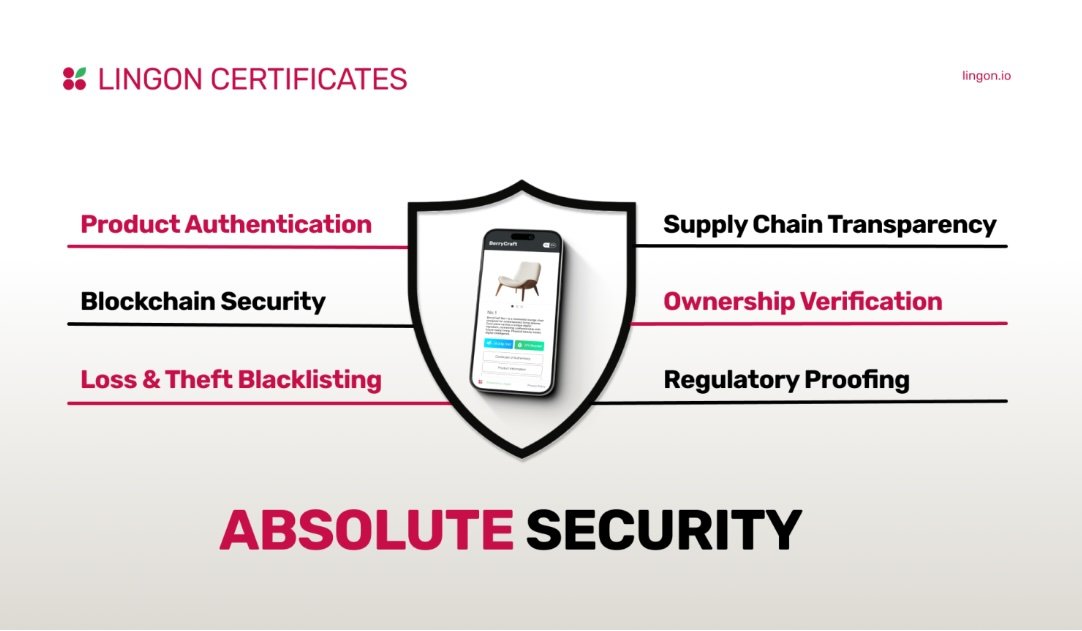
Lingon provides a comprehensive Digital Product Passport solution designed to enhance product security and traceability.
Blockchain-Powered Security
Lingon uses blockchain technology to create tamper-proof product records that cannot be altered.
Digital Twins for Product Verification
Each physical product is assigned a unique digital identity, enabling secure authentication.
Smart Digital Ownership
Lingon enables real-time tracking of product ownership, reducing the risk of resale fraud.
Point-of-Sale Authentication
Customers can scan a Lingon-powered Digital Product Passport at the point of sale to verify product authenticity.
Conclusion
Counterfeiting and product theft remain significant challenges across global industries.
Digital Product Passports provide a proactive solution by enabling transparency, traceability and real-time authentication.
By creating verifiable product histories, DPPs help protect businesses, strengthen consumer trust and secure supply chains.
Platforms like Lingon make it possible to implement these capabilities at scale, supporting a more secure and transparent product ecosystem.
Most Important Insights
Key takeaways from this article:
Digital Product Passports enable real-time product authentication and traceability.
DPPs make it significantly harder for counterfeit products to enter legitimate supply chains.
Digital ownership tracking can prevent the resale of stolen goods.
Standardized Digital Product Passports improve cross-border supply chain transparency.
Platforms like Lingon combine blockchain and product data to strengthen product security.
Learn more about DPPs security features from the renown sources below:
The Application of Anti-Counterfeiting Technologies in Supply Chains, Supply Chain Connect, 2024
How Blockchain Can Help Reduce Supply Chain Fraud and Counterfeiting, Rapid Innovation
Securing Supply Chains Against Counterfeits in a Post-COVID World, SupplyChainBrain, 2023