
Building a Transparent Supply Chain: The Role of Digital Product Passports and Responsibility Chains
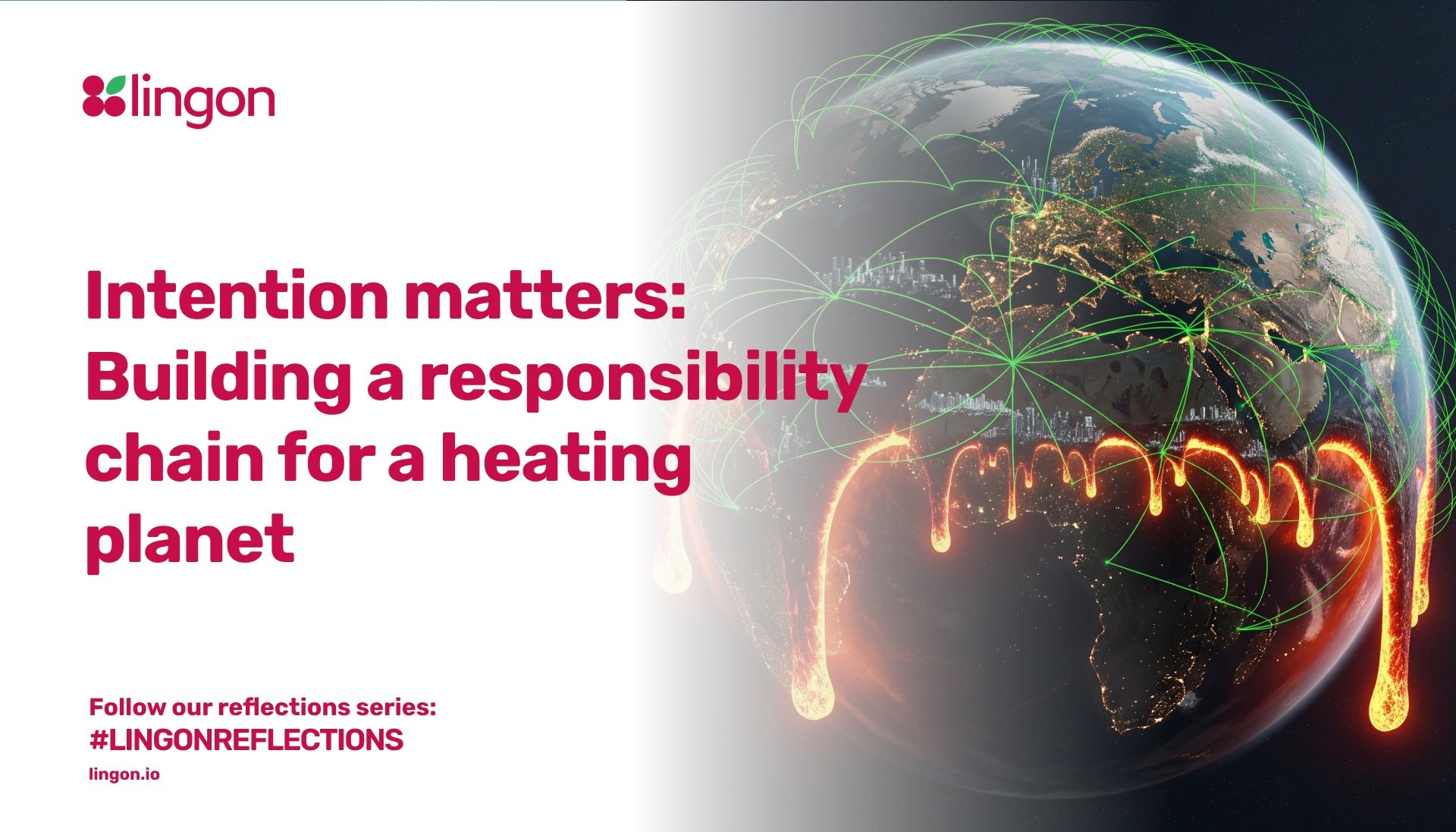
Traditional supply chains have long been optimized for speed, efficiency and cost reduction. However, as climate change and sustainability expectations increase, businesses are being pushed to rethink how supply chains operate.
A new concept is emerging: the Responsibility Chain — a model where transparency, accountability and verified data are embedded across every stage of the product lifecycle.
Digital Product Passports (DPPs) are becoming a key technology enabling this transformation.
What Is a Responsibility Chain?
A Responsibility Chain extends the traditional supply chain model by emphasizing accountability at every stage.
Instead of focusing only on efficiency, companies take responsibility for:
material sourcing
production processes
environmental impact
product lifecycle outcomes
Every sustainability claim is supported by verifiable data, rather than assumptions or marketing.
Why Supply Chain Transparency Is Becoming Critical
Consumer expectations are changing rapidly.
According to First Insight:
62% of Gen Z consumers prefer sustainable brands
73% are willing to pay more for sustainable products
At the same time, global searches for sustainable goods have increased by 71% over the past five years (WWF).
This shift is forcing companies to provide greater transparency across their supply chains.
The Role of Digital Product Passports
Digital Product Passports are a key enabler of transparent supply chains.
A Digital Product Passport (DPP) provides structured information about:
product origin
material composition
environmental impact
lifecycle data
This allows companies to track and verify sustainability performance across the entire product lifecycle.
Moving Beyond Compliance
EU regulations are accelerating the adoption of Digital Product Passports.
However, compliance is only the starting point.
Companies that go beyond compliance can:
improve operational efficiency
reduce waste and resource use
build stronger customer trust
The Responsibility Chain builds on this by embedding accountability into everyday operations.
What Accountability Looks Like in Practice
A Responsibility Chain requires participation from all stakeholders in the supply chain.
Responsible Material Sourcing
Suppliers provide verified information about material origin and sustainability.
Transparent Manufacturing
Factories share data on emissions, resource usage and production impact.
Verified Logistics
Logistics providers track and report transportation emissions and efficiency.
When connected through Digital Product Passports, this creates a transparent and verifiable product lifecycle.
The Business Benefits of a Responsibility Chain
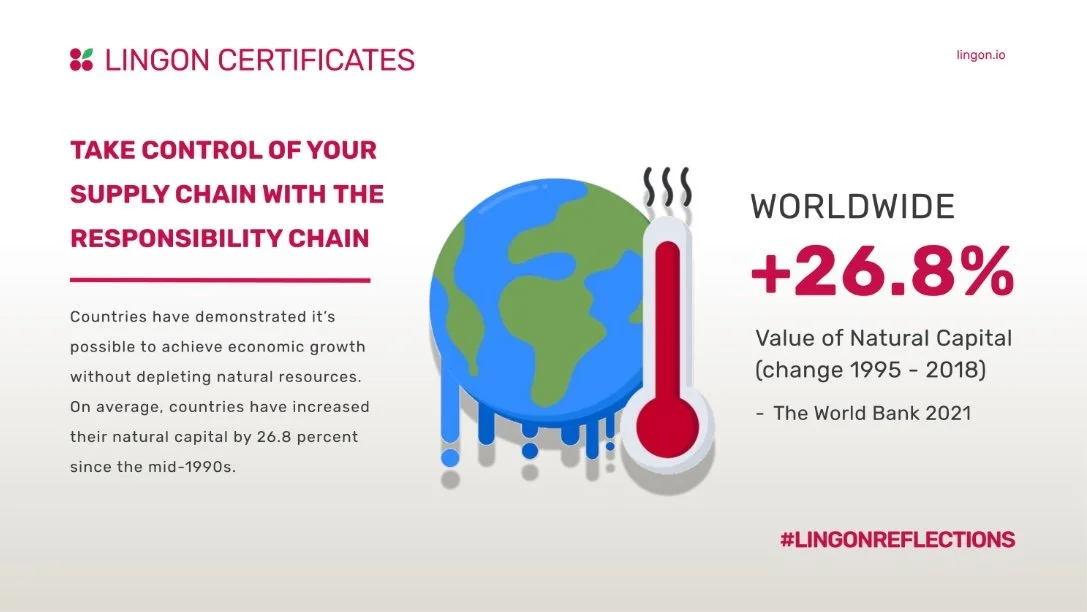
Adopting a Responsibility Chain approach provides more than environmental benefits.
Companies can achieve:
stronger brand trust
increased customer loyalty
improved supply chain resilience
reduced operational costs
Transparency becomes a competitive advantage rather than a regulatory burden.
Why the Time to Act Is Now
The urgency to act is increasing due to:
climate change
regulatory pressure
evolving consumer expectations
Companies that act now can:
align with sustainability trends
build resilient supply chains
position themselves as industry leaders
Delaying action may result in higher costs and increased compliance challenges in the future.
How Lingon Supports Transparent Supply Chains
Lingon helps companies build Responsibility Chains through Digital Product Passports.
Our platform enables businesses to:
track product data from raw materials to end-of-life
verify sustainability claims
ensure compliance with EU regulations
improve supply chain transparency
By combining blockchain, structured data and digital product identities, Lingon provides the infrastructure needed for accountable supply chains.
Conclusion
Supply chains are evolving from efficiency-driven systems into transparency-driven ecosystems.
The Responsibility Chain represents this shift.
By combining Digital Product Passports with accountable supply chain practices, companies can create systems that are not only efficient, but also sustainable and resilient.
Those who embrace this transformation today will lead the next generation of transparent and circular industries.
Most Important Insights
Key takeaways from this article:
Supply chains are evolving toward greater transparency and accountability.
The Responsibility Chain concept embeds sustainability across the product lifecycle.
Digital Product Passports enable traceability and verified product data.
Consumer demand for sustainable products is increasing rapidly.
Companies that adopt transparent supply chains gain competitive advantages.